Purchasing a CNC machine is a long-term production decision. For B2B buyers, the right evaluation goes beyond machine specifications: it should connect the intended application, machining requirements, supplier capability, quality control, installation planning, and service support into one practical review process.
Kaibo CNC provides this reference to help manufacturers assess CNC machine suppliers with clearer technical and commercial criteria before placing an order. The objective is not simply to select a machine, but to confirm whether the proposed equipment and supplier can support the customer’s actual production requirements.
A CNC machine should be evaluated against the workpiece, material, process route, required accuracy, batch size, and expected operating conditions. A machine with more functions is not automatically a better fit; the key question is whether its configuration supports the parts and processes planned for production.
Confirm part dimensions, weight, clamping method, material characteristics, and the geometry that must be machined.
Define milling, drilling, engraving, finishing, multi-face machining, or simultaneous multi-axis requirements before comparing models.
Consider repeatability, takt time, tooling changes, operator workflow, capacity planning, and future product variation.
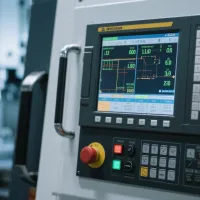
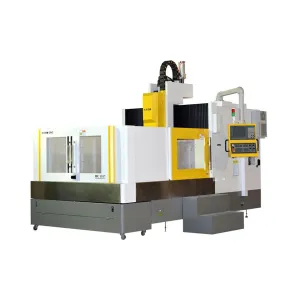
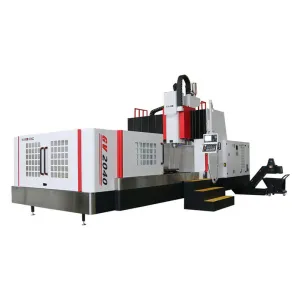
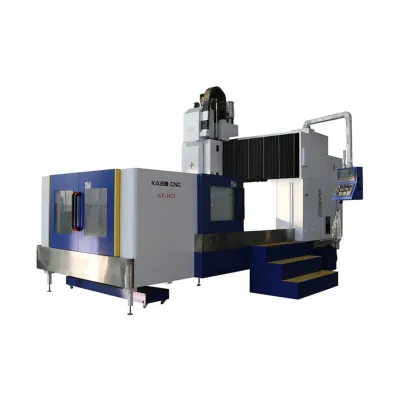
CNC equipment comparison should be based on the complete proposed configuration rather than a model name alone. Buyers should request clear information on the machine structure, travel range, spindle solution, control system, axis arrangement, worktable, tool magazine where applicable, and optional equipment.
| Evaluation area | Questions to confirm before purchase |
|---|---|
| Machine type and axes | Is a 3-, 4-, or 5-axis configuration appropriate for the planned part geometry and process complexity? |
| Working envelope | Do the X, Y, and Z travels, table dimensions, and loading conditions accommodate the workpiece and fixture? |
| Spindle and tooling | Does the spindle specification suit the material, tool type, cutting strategy, and finishing expectations? |
| Control and programming | Is the CNC control compatible with the factory’s programming workflow, operator experience, and process requirements? |
| Options and integration | Which accessories, safety features, workholding solutions, or automation interfaces are needed for the intended application? |
The supplier evaluation should include the ability to understand machining needs, recommend suitable configurations, manufacture equipment consistently, and provide technical communication throughout the project. This is particularly important when standard equipment requires application-oriented options or when a customized CNC machine is under consideration.
Quality evaluation should focus on evidence and clarity. Buyers can ask how the machine is inspected, what acceptance items are agreed before shipment, and how technical documents correspond to the ordered configuration. The goal is to establish shared expectations for machine performance, delivery condition, and commissioning.
Kaibo CNC has developed its business around CNC machine research, manufacturing, and service. As a participant in the development of China’s national standard for CNC engraving and milling machines, the company emphasizes the connection between machine design, manufacturing practice, and application requirements.
Before purchase, request the documents and inspection information relevant to the selected machine, and make sure that the agreed technical scope is recorded in the commercial and technical confirmation process.
A CNC machine purchase does not end at shipment. Site preparation, power conditions, lifting and positioning, tooling readiness, operator training, commissioning arrangements, and future service communication should be considered before the order is released.
For overseas buyers, service planning deserves particular attention. Kaibo CNC maintains sales and service offices in domestic and overseas markets, supporting communication around equipment selection, delivery coordination, and after-sales requirements. The available support arrangement should be confirmed according to the destination, machine configuration, and project conditions.
Before confirming a CNC machine order, buyers should be able to answer the following questions clearly:
A well-structured CNC machine procurement process helps align equipment capability with real production needs. By reviewing application fit, configuration details, supplier competence, quality expectations, and service arrangements together, purchasing teams can make more informed decisions and establish a clearer foundation for successful machine deployment.
 304
|
304
|
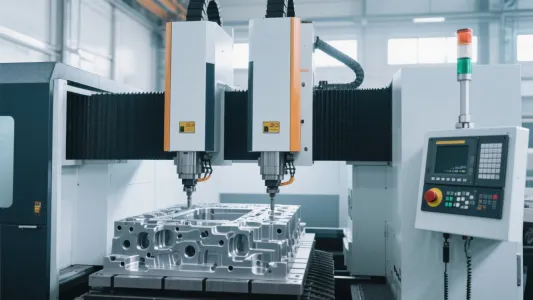
 FANUC GV2030
Heavy Duty Machining Center
CNC Milling Machine
Production Efficiency
High Precision Machining
FANUC GV2030
Heavy Duty Machining Center
CNC Milling Machine
Production Efficiency
High Precision Machining
 456
|
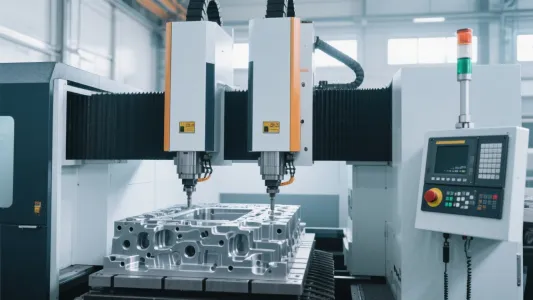
large double-column CNC milling machine
DC1317
heavy mold machining
high rigidity structure
CNC milling center
456
|
large double-column CNC milling machine
DC1317
heavy mold machining
high rigidity structure
CNC milling center
 423
|
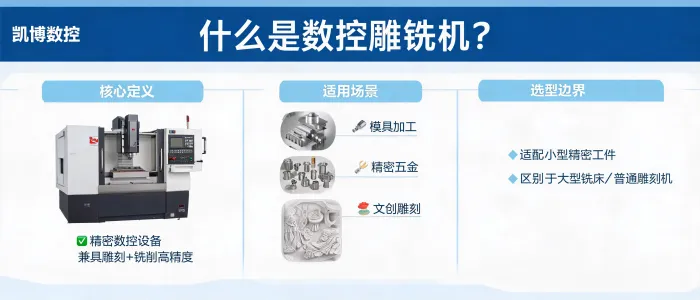
Ningbo Kaibo CNC Machinery
CNC engraving and milling machine
concept explanation
application scenarios
selection boundaries
187
|
large CNC milling machine for plastic molds
double column CNC milling center
machine tool rigidity design
smooth transmission drive system
long travel CNC machining
423
|
Ningbo Kaibo CNC Machinery
CNC engraving and milling machine
concept explanation
application scenarios
selection boundaries
187
|
large CNC milling machine for plastic molds
double column CNC milling center
machine tool rigidity design
smooth transmission drive system
long travel CNC machining
 67
|
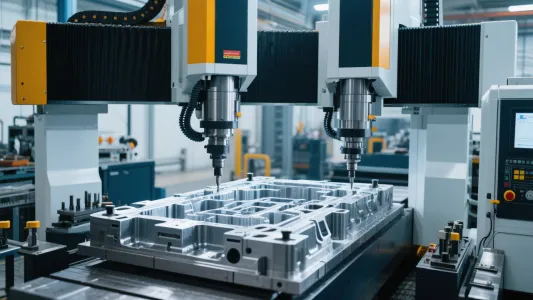
FANUC GV2030
heavy-duty machining center
automotive precision machining
twin-column CNC mill
industrial machine tool solutions
67
|
FANUC GV2030
heavy-duty machining center
automotive precision machining
twin-column CNC mill
industrial machine tool solutions