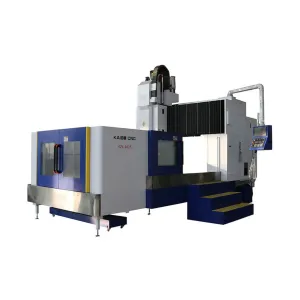
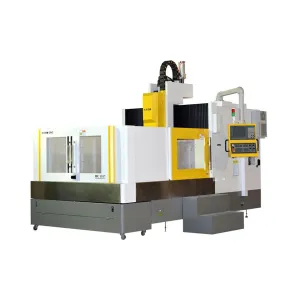
A structured approach to custom CNC equipment development
A custom CNC machine project is more than selecting a standard model with optional features. It requires a clear connection between the customer’s workpiece, machining process, production objectives and the final equipment configuration. Ningbo Kaibo CNC Machinery Co., Ltd. supports this process through coordinated requirement communication, engineering evaluation, equipment design, manufacturing, commissioning, acceptance and technical support.
The starting point for a custom CNC machine project is understanding the intended application. Machine travel, spindle type or axis quantity are important, but they need to be evaluated together with the actual production task. This helps define an equipment solution that is relevant to the part, process and operating environment.
Kaibo CNC organizes custom CNC equipment projects around defined engineering and delivery stages. The depth of each stage can vary according to the application, but the purpose remains consistent: translate practical manufacturing requirements into a buildable, supportable machine solution.
The project begins with a focused discussion of the customer’s application, including workpiece information, machining tasks, expected operating conditions and project priorities. Clear communication at this stage creates a practical basis for later technical decisions.
Engineering personnel review how the part is to be machined and identify the process factors that influence equipment selection. This evaluation may address machining range, axis configuration, fixturing, tool access, process stability and the relationship between individual operations.
Based on the evaluation, the project team develops an equipment concept that aligns machine structure and functional configuration with the application. Depending on the project, this can involve a customized vertical machining center, CNC engraving and milling machine, or another tailored CNC machine arrangement.
After the solution direction is confirmed, design and manufacturing activities are coordinated around the approved project requirements. Kaibo CNC combines R&D, manufacturing and sales-service resources to keep the technical and delivery sides of the project connected.
The completed equipment is commissioned before delivery in accordance with the agreed project scope. Acceptance communication provides a clear point for reviewing the delivered CNC equipment solution and preparing for installation or operation.
Equipment delivery is followed by technical support aligned with the customer’s operating needs. Kaibo CNC maintains domestic and overseas sales and service offices to provide communication channels for customers using its CNC machine tools.
Providing application information early can make requirement communication and solution evaluation more efficient. Where available, customers can share:
| Project area | Role in the equipment solution | Customer value |
|---|---|---|
| Application analysis | Connects machine requirements with the actual part and machining process. | Supports a more relevant basis for technical discussion. |
| Solution design | Defines the equipment structure and configuration direction. | Helps align the proposed CNC machine with intended use. |
| Manufacturing coordination | Links approved requirements with production and assembly activities. | Improves continuity from technical planning to delivery. |
| Commissioning and support | Provides a defined transition from equipment completion to customer use. | Creates a practical framework for acceptance and ongoing communication. |
For manufacturers assessing a custom CNC machine project, a useful first step is to define the workpiece, machining process and operational requirements. Kaibo CNC can use this information to support equipment solution communication from initial evaluation through CNC equipment delivery and technical support.
 98
|
98
|
 plastic mold CNC milling machine
large CNC milling machine
mold processing technology
DC1317 machine
CNC machine tool selection
plastic mold CNC milling machine
large CNC milling machine
mold processing technology
DC1317 machine
CNC machine tool selection
 456
|
large double-column CNC milling machine
DC1317
heavy mold machining
high rigidity structure
CNC milling center
110
|
CNC milling machine technology
plastic mold processing
large double-column CNC milling machine
rigidity design
transmission mechanism
456
|
large double-column CNC milling machine
DC1317
heavy mold machining
high rigidity structure
CNC milling center
110
|
CNC milling machine technology
plastic mold processing
large double-column CNC milling machine
rigidity design
transmission mechanism
 455
|
Ningbo Kaibo CNC Machinery
CNC machine after-sales service
installation and commissioning
service system
purchase decision
455
|
Ningbo Kaibo CNC Machinery
CNC machine after-sales service
installation and commissioning
service system
purchase decision
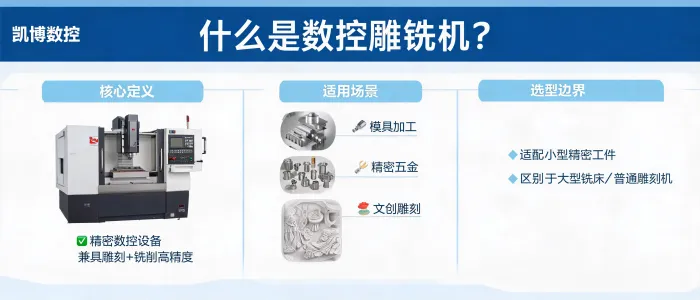 423
|
Ningbo Kaibo CNC Machinery
CNC engraving and milling machine
concept explanation
application scenarios
selection boundaries
423
|
Ningbo Kaibo CNC Machinery
CNC engraving and milling machine
concept explanation
application scenarios
selection boundaries