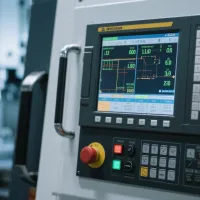
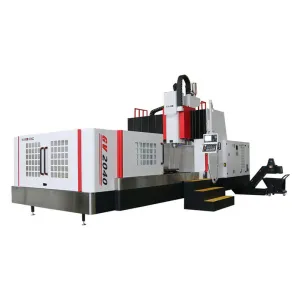
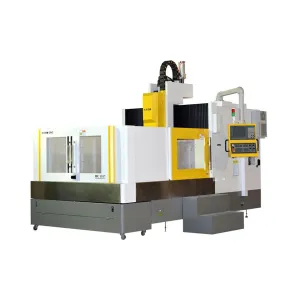
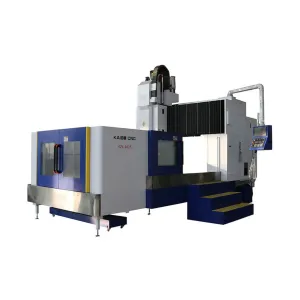
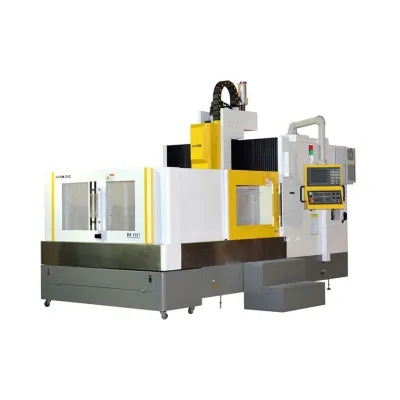
Standard machine configurations are efficient when the workpiece, process and production environment fit established parameters. When manufacturing requirements are different, a custom CNC machine can provide a more appropriate path by aligning the machine solution with the actual application.
At Kaibo CNC, custom CNC machine planning begins with understanding the machining task rather than selecting equipment in isolation. Workpiece characteristics, material behavior, process sequence, accuracy expectations, production capacity and installation conditions are considered together to support non-standard machining requirements.
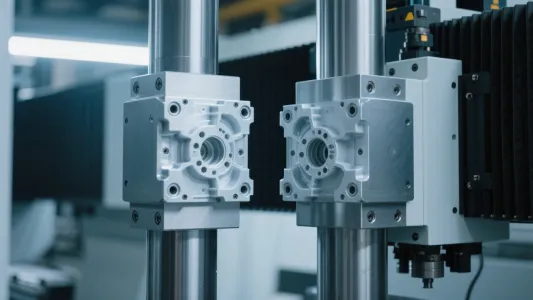
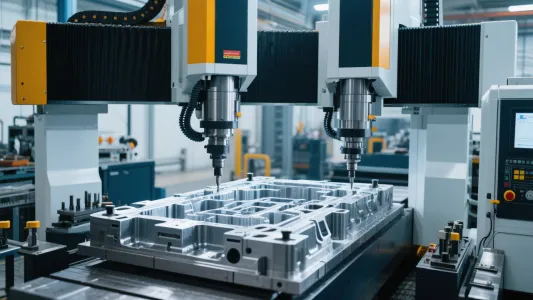
A custom CNC machine is developed for an application that cannot be fully addressed by a conventional machine configuration. The need may relate to the workpiece geometry, machining range, fixturing approach, process integration, operating environment or expected production workflow.
The objective is practical process adaptation: machine capability, structure and supporting arrangements should match the manufacturing requirement as clearly as possible. A custom solution does not simply mean adding options; it means evaluating which machine elements and delivery arrangements are relevant to the intended use.
Clear application information helps create a machine solution that is technically relevant and easier to implement. The following factors commonly form the basis of requirement communication and process analysis.
Dimensions, shape, weight, material type and part features influence the required machining envelope, rigidity considerations and handling approach.
Milling, drilling, engraving, multi-face machining or other process steps determine how machine axes, spindle performance and workholding should be evaluated.
Required tolerances, repeatability expectations and surface finish needs provide essential direction for machine configuration and process planning.
Output expectations, shift arrangements, available floor space, utilities and material flow affect both machine selection and delivery planning.
A structured approach helps reduce the gap between a production challenge and an applicable CNC machine solution. The process below provides a clear framework for discussing special manufacturing needs.
| Application Consideration | Machine Solution Focus | Purpose |
|---|---|---|
| Special part size or geometry | Working area and accessible machining space | Provide suitable clearance and access for the workpiece and tools. |
| Multi-face or complex feature machining | Axis configuration and movement coordination | Support process paths that require more flexible positioning or orientation. |
| Specific material or cutting condition | Spindle and structural suitability | Align machine characteristics with the intended machining task. |
| Production flow and site limitations | Installation and operating arrangement | Support a practical fit within the available manufacturing environment. |
For manufacturers evaluating a custom CNC machine, initial project information can make requirement assessment more focused. Useful details may include:
Kaibo CNC develops CNC machine solutions around real manufacturing requirements. By connecting requirement communication, process analysis, machine solution design, delivery planning and service support, the company helps B2B manufacturers evaluate how a custom CNC machine may fit a non-standard application. The most suitable starting point is a clear discussion of the workpiece, process and operating conditions that define the project.
 423
|
423
|
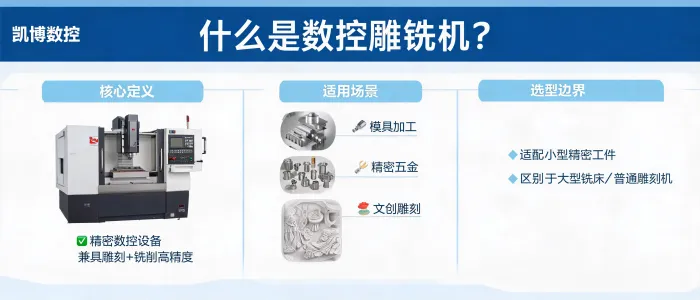
 Ningbo Kaibo CNC Machinery
CNC engraving and milling machine
concept explanation
application scenarios
selection boundaries
Ningbo Kaibo CNC Machinery
CNC engraving and milling machine
concept explanation
application scenarios
selection boundaries
 164
|
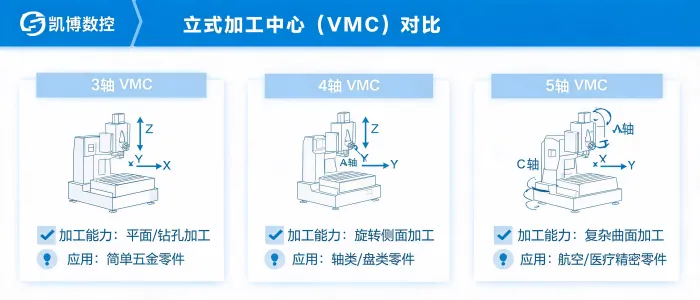
Ningbo Kaibo CNC Machinery Co., Ltd.
vertical machining center
3-axis VMC
4-axis machining center
5-axis machining center
164
|
Ningbo Kaibo CNC Machinery Co., Ltd.
vertical machining center
3-axis VMC
4-axis machining center
5-axis machining center
 241
|
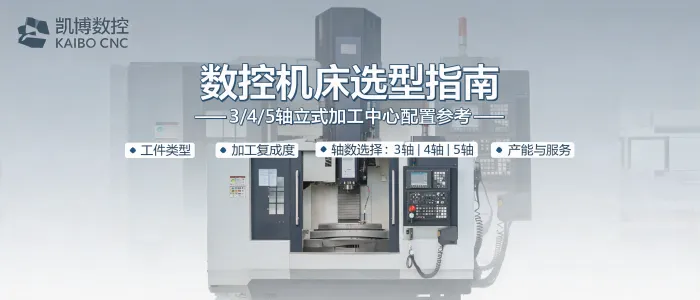
Ningbo Kaibo CNC Machinery
CNC machine selection
3/4/5-axis vertical machining center
custom CNC machine
machining requirements analysis
241
|
Ningbo Kaibo CNC Machinery
CNC machine selection
3/4/5-axis vertical machining center
custom CNC machine
machining requirements analysis
 55
|
large plastic mold CNC milling
machine tool rigidity design
transmission optimization
double-column CNC milling center
mold machining precision
55
|
large plastic mold CNC milling
machine tool rigidity design
transmission optimization
double-column CNC milling center
mold machining precision
 315
|
plastic mold machining
large CNC milling machine
double column CNC milling machine
mold manufacturing efficiency
CNC machining center
315
|
plastic mold machining
large CNC milling machine
double column CNC milling machine
mold manufacturing efficiency
CNC machining center