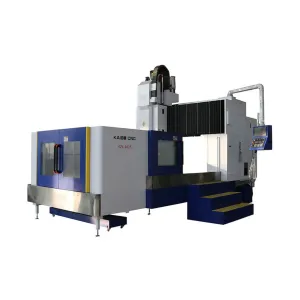
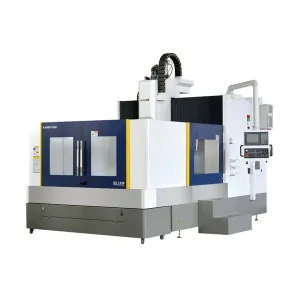
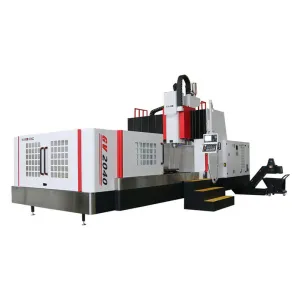
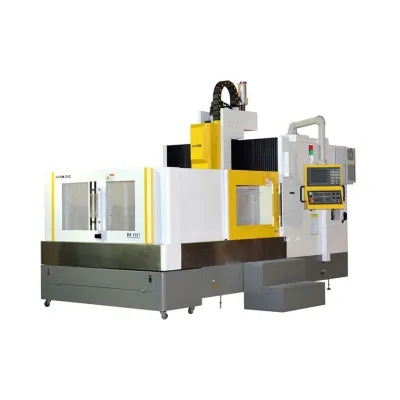
Selecting a CNC machine tool supplier is a long-term B2B procurement decision. Beyond the machine specification, buyers should evaluate whether a supplier can support application requirements, stable manufacturing, product development, delivery coordination, and service throughout the equipment lifecycle. A structured assessment helps purchasers compare suppliers on practical capabilities rather than on individual quotations alone.
For manufacturers investing in CNC equipment, the supplier should be evaluated as an integrated partner. Technical capability, machine-building experience, product coverage, quality practices, commercial communication, and after-sales support are closely connected. A machine that fits a current process also needs to be supported by a supplier capable of responding as production needs evolve.
The following areas provide a useful framework for evaluating CNC machine tool suppliers for production, machining, engraving, milling, and customized equipment requirements.
Technical R&D capability affects how well a supplier can translate machining requirements into an appropriate machine configuration. Buyers should look beyond a product brochure and discuss the intended material, workpiece geometry, machining process, accuracy expectations, automation needs, and planned production rhythm.
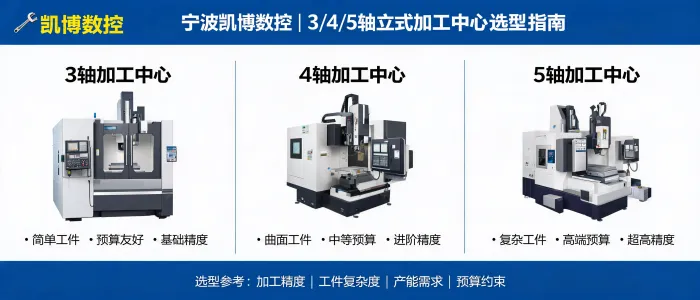
A capable supplier should be able to explain the relationship between the application and the recommended equipment type, such as a 3-, 4-, or 5-axis vertical machining center, a CNC engraving and milling machine, or a customized CNC machine tool. The purpose is not simply to select more features, but to identify a configuration aligned with the actual machining task.
Machine tool performance depends on disciplined manufacturing as well as design. During supplier evaluation, purchasers can ask about factory operations, production organization, assembly processes, and the supplier’s ability to manage quality consistently across equipment orders.
| Evaluation Area | Questions for B2B Buyers |
|---|---|
| Factory capability | Does the supplier have a clear manufacturing base and organized production environment? |
| Assembly and inspection | How are machine assembly, testing, and final checks integrated into the delivery process? |
| Order coordination | Can the supplier communicate production progress and coordinate requirements for project-based orders? |
| Customization readiness | What is the process for confirming customized machine specifications before manufacturing begins? |
A supplier’s product range can indicate whether it is equipped to serve different machining requirements without forcing every application into one machine category. Product coverage is especially relevant for buyers whose needs include multiple parts, process stages, or future production expansion.
Review available axis configurations and discuss which machining motions and workpiece requirements the equipment is intended to support.
Confirm that the machine’s intended application aligns with the required engraving, milling, finishing, or detailed machining process.
For non-standard requirements, establish the technical scope, confirmation process, and responsibilities before placing an order.
Quality management should be considered across the supplier relationship, from technical communication and component selection through assembly, inspection, shipment, and service response. Buyers can request clear documentation of the agreed machine configuration and use acceptance discussions to verify that key expectations are understood before delivery.
Procurement consideration: A clear specification and acceptance process helps reduce avoidable misunderstandings. It is particularly important when purchasing customized CNC machine tools or equipment for specialized workflows.
For cross-regional and international B2B procurement, responsive communication matters before and after the purchase. Buyers should understand how the supplier organizes sales support, technical consultation, order coordination, and contact channels in the relevant market.
Ningbo Kaibo CNC Machinery Co., Ltd. serves domestic and overseas markets through its sales and service offices. For buyers, this type of service structure can be relevant when assessing communication continuity, local coordination needs, and access to product and service support.
After-sales service should be part of the initial supplier assessment, not an afterthought. CNC machine tools are production assets, and buyers benefit from understanding how installation guidance, operational questions, maintenance communication, and service coordination are handled.
Kaibo CNC traces its manufacturing background to 1994 and was formally renamed Kaibo CNC in 2003. The company integrates R&D, manufacturing, and sales, and produces 3-, 4-, and 5-axis vertical machining centers, CNC engraving and milling machines, and customized CNC machine tools.
As a participant in the development of China’s national standard for CNC engraving and milling machines, Ningbo Kaibo CNC Machinery Co., Ltd. applies its machine tool experience to support B2B customers evaluating equipment for their specific production requirements. A productive supplier discussion begins with the workpiece, process, operating conditions, and service expectations—then moves toward a clearly defined equipment solution.
When comparing CNC machine tool suppliers, assess R&D, manufacturing capability, product range, quality practices, market communication, and after-sales service together. This balanced approach gives procurement teams a clearer basis for selecting equipment and establishing a dependable long-term supplier relationship.
 85
|
85
|
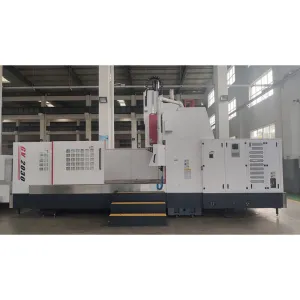
 FANUC GV2030 heavy-duty machining center
automotive parts machining
FANUC CNC controller
precision CNC milling
high stability machining
FANUC GV2030 heavy-duty machining center
automotive parts machining
FANUC CNC controller
precision CNC milling
high stability machining
 415
|
Ningbo Kaibo CNC Machinery Co., Ltd.
vertical machining center
3-axis machining center
4-axis machining center
5-axis machining center
equipment selection
415
|
Ningbo Kaibo CNC Machinery Co., Ltd.
vertical machining center
3-axis machining center
4-axis machining center
5-axis machining center
equipment selection
 158
|
Ningbo Kaibo CNC Machinery
CNC engraving and milling machine
3-axis machining center
5-axis machining center
precision machining
288
|
Ningbo Kaibo CNC Machinery Co., Ltd.
CNC engraving and milling machine
definition and functions
machining characteristics
application scenarios
158
|
Ningbo Kaibo CNC Machinery
CNC engraving and milling machine
3-axis machining center
5-axis machining center
precision machining
288
|
Ningbo Kaibo CNC Machinery Co., Ltd.
CNC engraving and milling machine
definition and functions
machining characteristics
application scenarios
 389
|
FANUC GV2030
automotive parts CNC milling machine
high precision machining center
FANUC controller benefits
intelligent manufacturing solution
389
|
FANUC GV2030
automotive parts CNC milling machine
high precision machining center
FANUC controller benefits
intelligent manufacturing solution