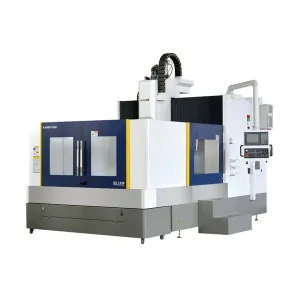
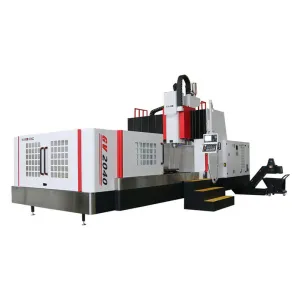
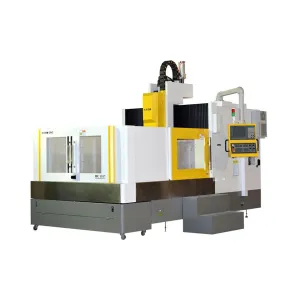
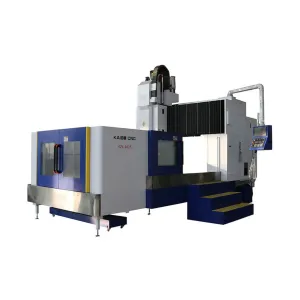
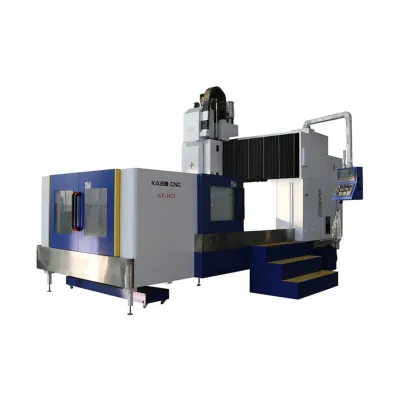
In high-precision manufacturing, the choice of machine tool isn’t just about power—it’s about stability, repeatability, and long-term reliability. For industries producing complex large components like aerospace frames or composite molds, even minor vibrations can lead to costly errors. That’s where the GV1625 double-column CNC milling machine stands out—not as an upgrade, but as a necessary evolution.
Many manufacturers still rely on traditional gantry mills for large part machining. While initially affordable, these machines often suffer from:
The GV1625 isn’t just another CNC mill—it’s a purpose-built platform for complex, large-scale workpieces. Its dual-column structure, reinforced with cast iron and steel alloy beams, delivers:
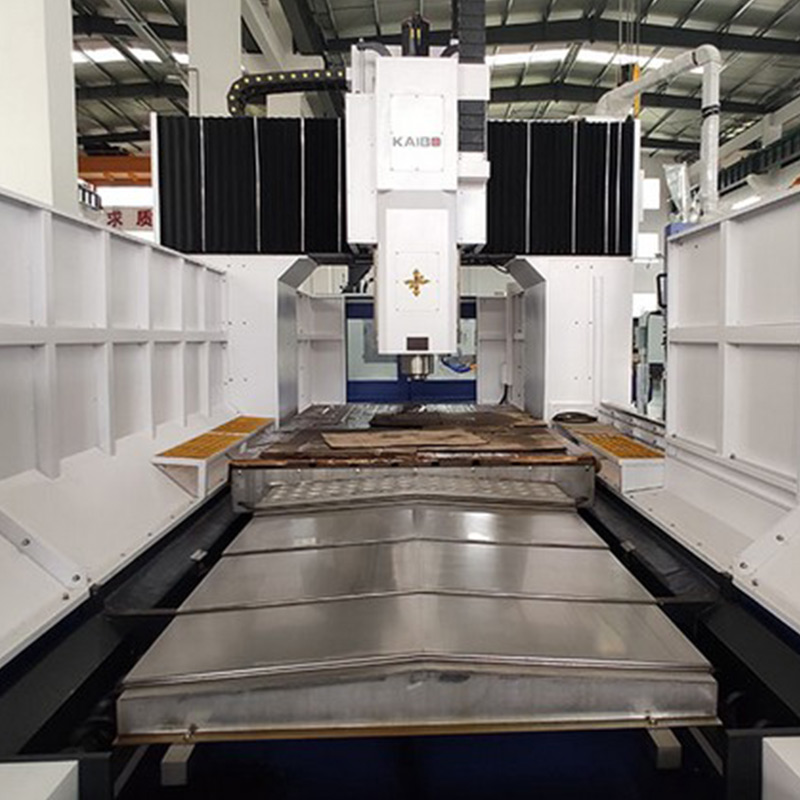
“After switching to GV1625, our mold production time dropped by 22%, and scrap rate fell from 7% to under 2%. It’s not just faster—it’s smarter.”
— Mark T., Production Manager, Composite Tooling Co.
In one case study involving a leading aircraft component supplier, GV1625 enabled the machining of a 2.5m-long carbon fiber layup mold with:
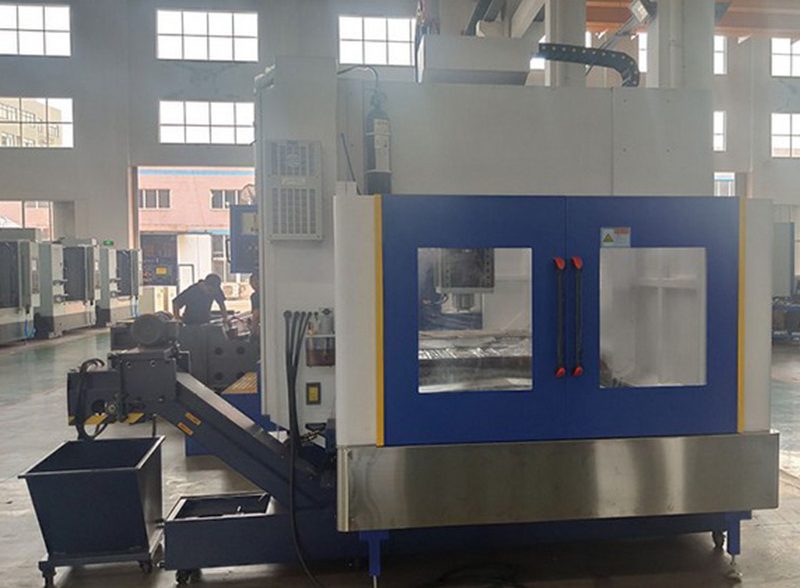
For decision-makers evaluating equipment investments, the question isn’t whether you can afford the GV1625—it’s whether you can afford not to have it.
See how GV1625 transforms your workflow—from precision to profit.
Click to Learn More About GV1625
 374
|
374
|
 DC1317 CNC milling machine
large two-column machining center
heavy-duty mold production
DC1317 CNC milling machine
large two-column machining center
heavy-duty mold production
 381
|
large mold machining efficiency
gantry CNC mill
high precision CNC machine
DC1520 milling machine
mold manufacturing productivity
381
|
large mold machining efficiency
gantry CNC mill
high precision CNC machine
DC1520 milling machine
mold manufacturing productivity
 316
|
GV1625 dual-column CNC milling machine
large complex part machining
rigid steel structure
machining efficiency improvement
aerospace component manufacturing
316
|
GV1625 dual-column CNC milling machine
large complex part machining
rigid steel structure
machining efficiency improvement
aerospace component manufacturing
 121
|
CNC milling machine for molds
medium to large mold machining
high-speed heavy-duty cutting
gantry CNC machine
automotive part machining
121
|
CNC milling machine for molds
medium to large mold machining
high-speed heavy-duty cutting
gantry CNC machine
automotive part machining
 136
|
DC1317 CNC Milling Machine
dual-column CNC milling center
versatile mold machining
136
|
DC1317 CNC Milling Machine
dual-column CNC milling center
versatile mold machining