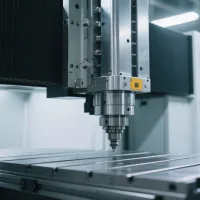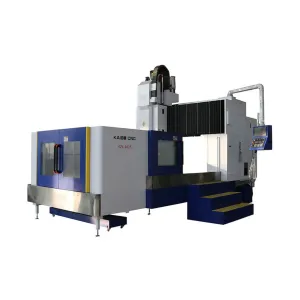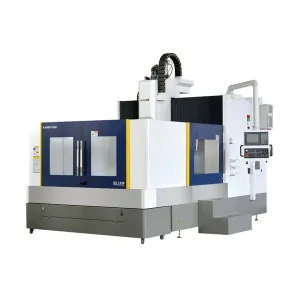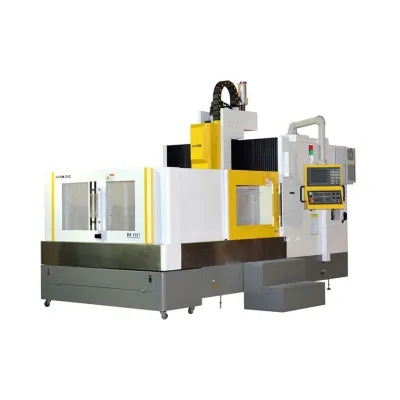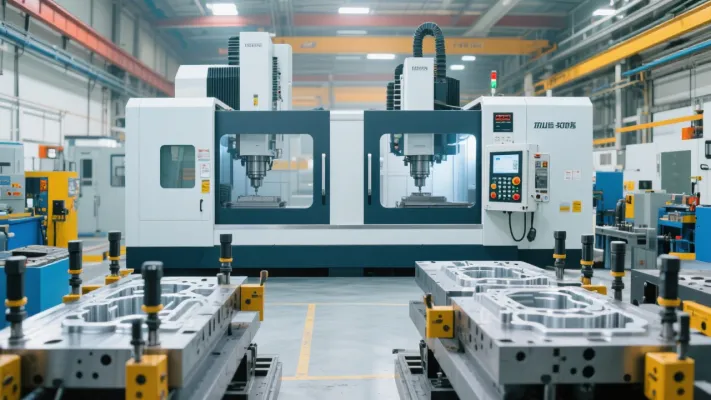
The plastic mold manufacturing landscape is undergoing significant transformation, driven by evolving demands for larger, more complex, and higher-precision components. Traditional CNC machining centers, constrained by limited axis travel and rigidity, struggle to meet these emerging requirements. This article explores the pressing industry trends fueling the necessity for advanced, large-scale CNC milling machines—particularly the dual-column CNC milling center model DC1317 by Kaibo CNC—that are critical in enabling manufacturers to achieve automation and elevate their production capabilities.
Plastic molds are becoming increasingly sizeable and geometrically intricate to accommodate complex product functionalities and aesthetic design enhancements. As a result, manufacturers demand equipment capable of precise machining over greater work envelopes, consistently maintaining tight tolerances below ±5 microns. Furthermore, accelerated production cycles necessitate higher spindle speeds paired with robust spindle power to sustain cutting efficiency without compromising surface integrity.
Industry surveys indicate that over 70% of medium- and large-scale mold makers report frequent bottlenecks due to limited Z-axis stroke range (<300mm) and insufficient machine rigidity resulting in chatter and premature tool wear. Upgrading to large dual-column CNC milling machines with longer Z-axis travels—such as 500mm—and reinforced mechanical structure directly addresses these challenges, enhancing machining stability and depth capacity.
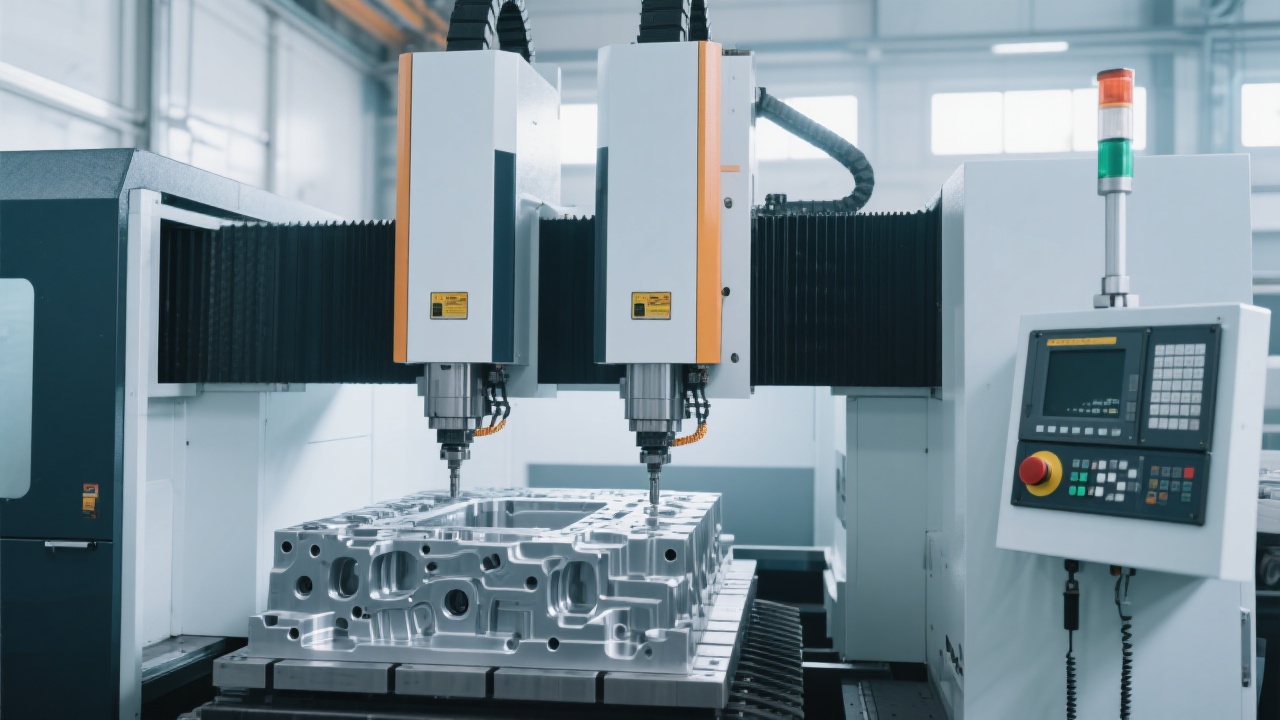
Dual-column CNC milling machines offer unparalleled rigidity due to their wide support span and heavy-duty steel construction. The enhanced structural stiffness minimizes vibrations during high-load milling, which is critical when processing hard plastic mold materials with delicate geometric features.
The DC1317 model stands out with its 500mm Z-axis stroke and modular BT50 spindle configuration, allowing both deep cavity machining and swift tool changeovers via a 24-position tool magazine. This flexibility significantly reduces non-cutting time, thereby increasing overall machining throughput by up to 25% compared to conventional CNC mills.
"Investing in the DC1317 machine has transformed our mold production line. Its advanced rigidity and extended Z-axis travel empower us to handle complex molds that were previously impossible. The efficiency gains directly improved our delivery timelines and quality consistency." – Industry Expert, Mold Manufacturing Association
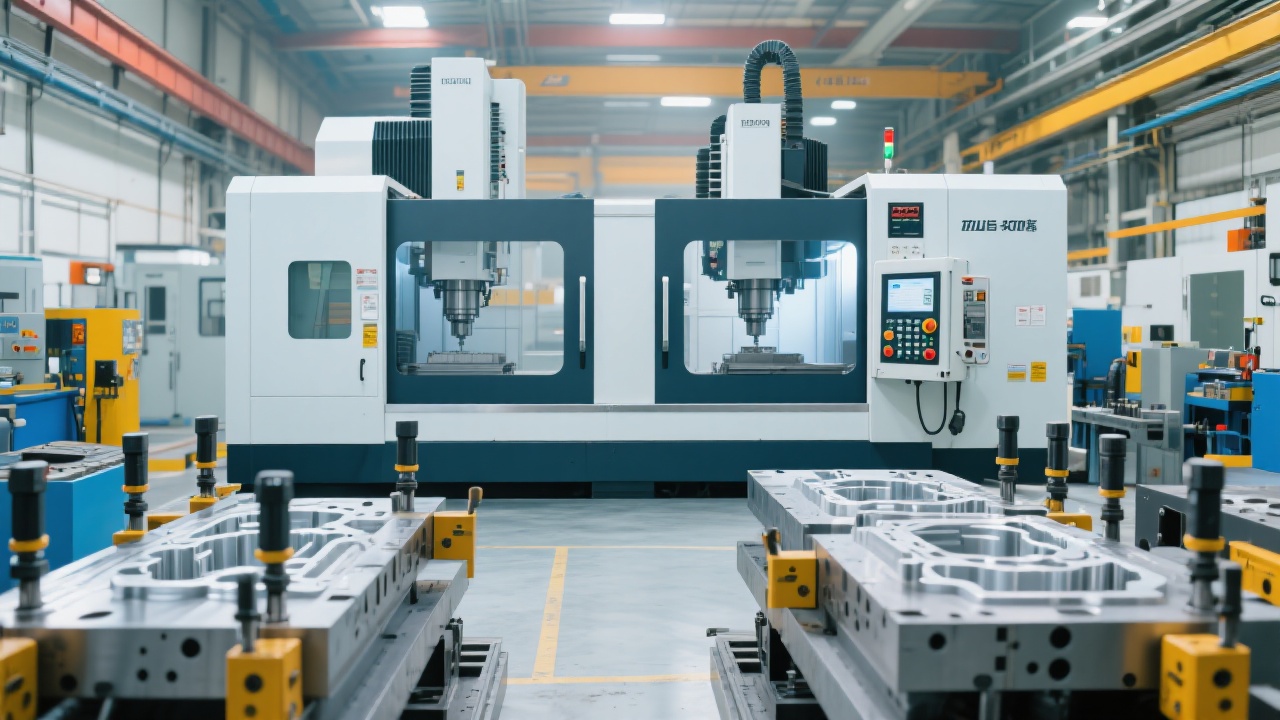
The demands of manufacturing complex mold geometries, like deep cavities with precision undercuts, require machines capable of both fine detail and sufficient depth travel. DC1317’s enhanced Z-axis range combined with precise, programmable control systems supports multi-axis machining strategies essential for these features.
For example, during automotive and consumer electronics mold production, the DC1317 facilitates high-precision finishing passes without compromising cycle times. Its modular tool magazine reduces manual intervention and enables automated process flows that are critical to Industry 4.0 smart manufacturing lines.
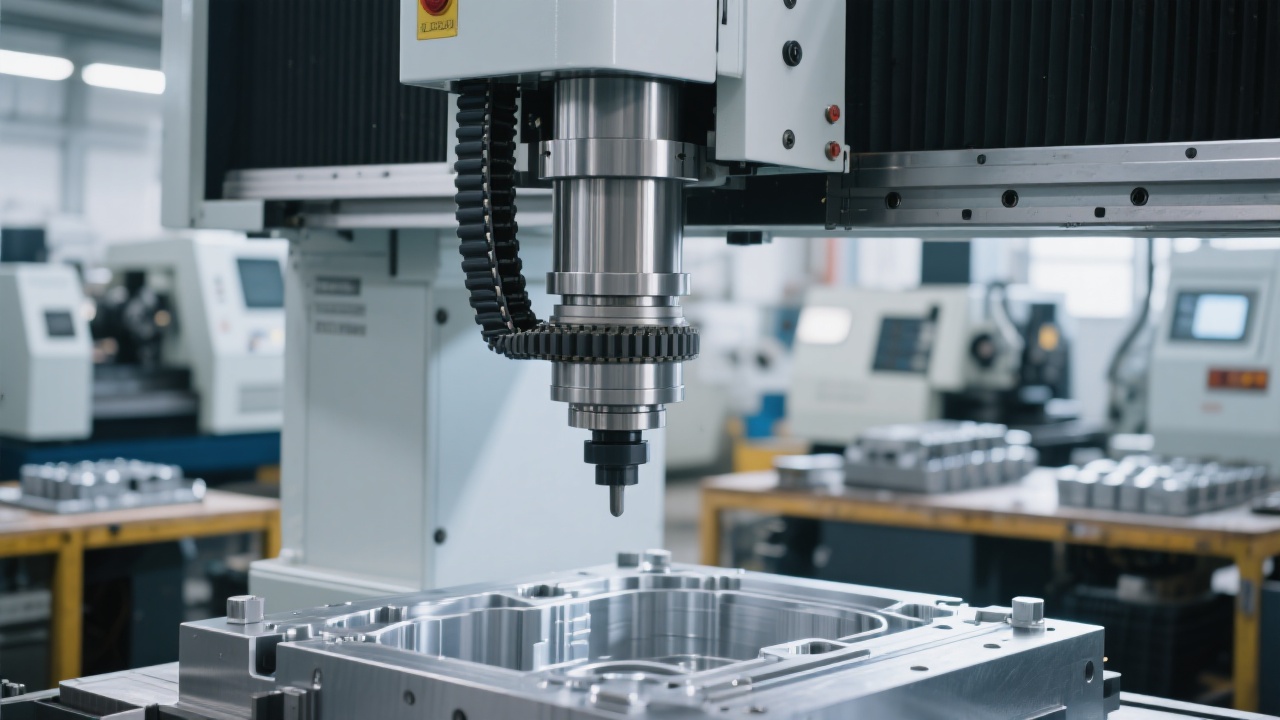
Transitioning to large-scale dual-column machining centers such as the DC1317 requires balancing capital investments with long-term operational benefits. Leading mold manufacturers suggest a phased implementation approach, starting with production lines facing the most high-precision, high-complexity challenges.
Integrating data-driven monitoring systems alongside the CNC equipment further enhances predictive maintenance and reduces downtime. Industry data shows that companies deploying these smart solutions reduce tooling costs by approximately 15% and improve overall equipment effectiveness (OEE) by around 10%.

 147
|
147
|
 Double-column CNC milling machine
GV1625 rigid structure
Stable cutting technology
Large part machining
CNC machine tool accuracy
Double-column CNC milling machine
GV1625 rigid structure
Stable cutting technology
Large part machining
CNC machine tool accuracy
 284
|
High-speed heavy-cutting CNC milling machine
Automated machining
Intelligent control
Double-column vertical machining center
Manufacturing efficiency improvement
284
|
High-speed heavy-cutting CNC milling machine
Automated machining
Intelligent control
Double-column vertical machining center
Manufacturing efficiency improvement
 478
|
FANUC GV2030 Heavy Machining Center
intelligent manufacturing upgrade
high precision machining solutions
industrial 4.0 equipment
CNC milling machine application
66
|
High - speed CNC milling machine automated machining
GV6050 intelligent control system
Double - column vertical machining center
CNC machine tool automation tutorial
Intelligent manufacturing application skills
478
|
FANUC GV2030 Heavy Machining Center
intelligent manufacturing upgrade
high precision machining solutions
industrial 4.0 equipment
CNC milling machine application
66
|
High - speed CNC milling machine automated machining
GV6050 intelligent control system
Double - column vertical machining center
CNC machine tool automation tutorial
Intelligent manufacturing application skills
 487
|
GV2040 CNC milling machine
automotive parts machining
heavy-duty CNC equipment
double-column CNC milling machine
intelligent manufacturing
487
|
GV2040 CNC milling machine
automotive parts machining
heavy-duty CNC equipment
double-column CNC milling machine
intelligent manufacturing