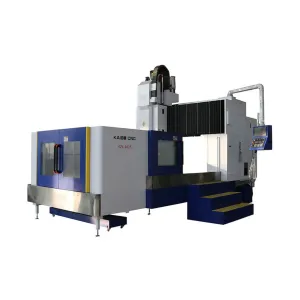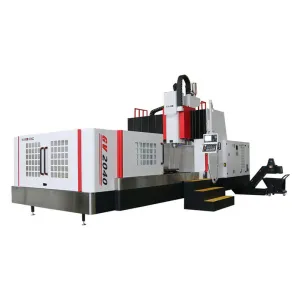
In the highly competitive world of automotive parts manufacturing, reducing the defect rate in mold processing is a top priority for businesses. The DC1417, a state - of - the - art CNC milling machine for automotive parts, has emerged as a game - changer in this regard. This article delves into the unique advantages of the DC1417 in minimizing defect rates during the processing of medium and large - sized molds.
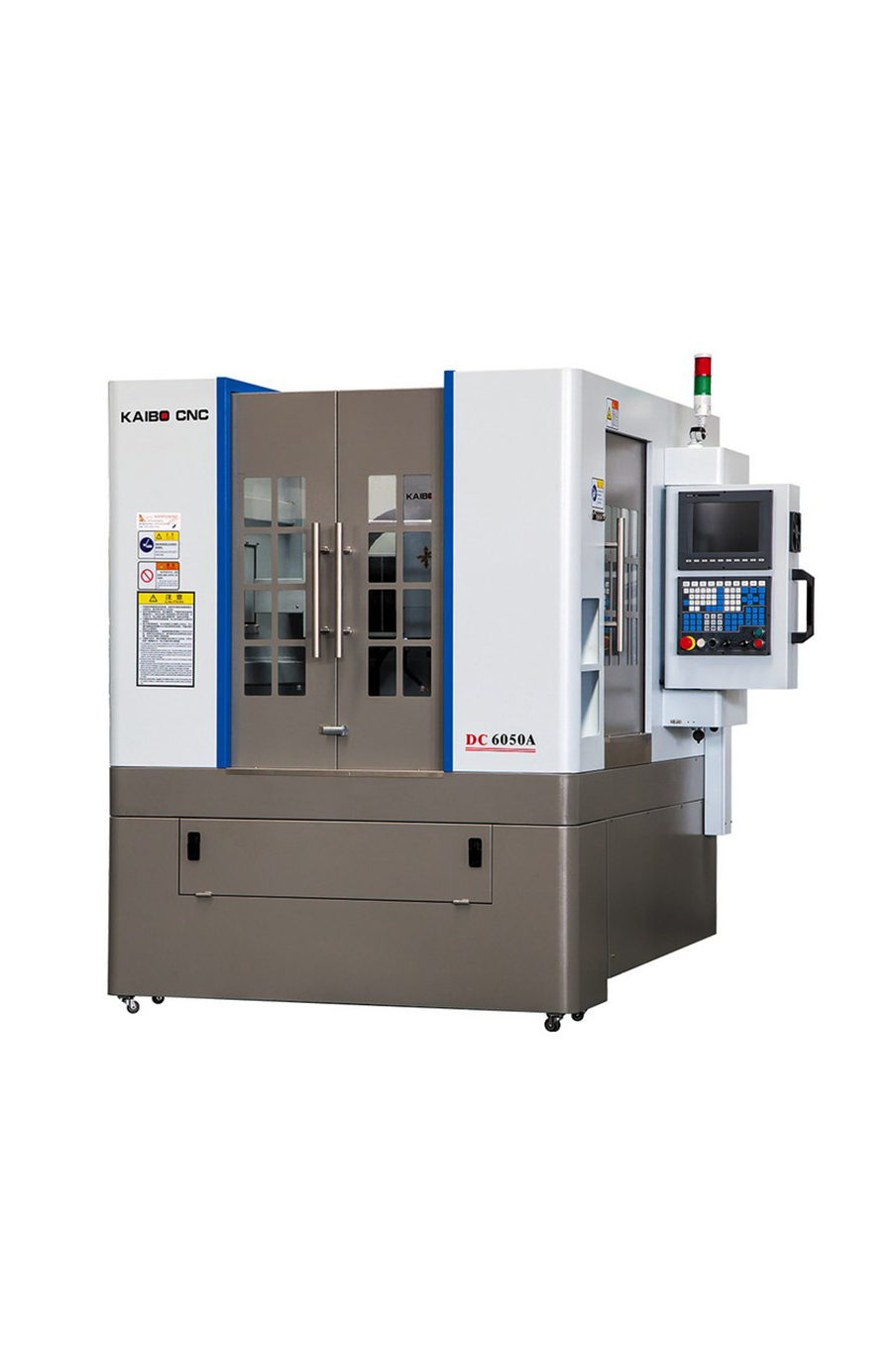
One of the key features of the DC1417 is its large gantry structure. This design provides a stable and robust platform for the processing of medium and large - sized molds. According to industry experts with over 15 years of experience in using the DC1417, the large gantry structure significantly reduces vibrations during the machining process. In a typical mold processing scenario, traditional machines may experience vibrations that can lead to an average defect rate of about 8%. However, with the DC1417's large gantry structure, the defect rate can be reduced to as low as 2%.
The DC1417 is also renowned for its high - speed processing capabilities. It can achieve spindle speeds of up to 12,000 RPM, which is significantly faster than many of its competitors in the market. This high - speed operation allows the machine to complete the processing of a medium - sized mold in approximately 10 hours, while similar machines on the market may take up to 15 hours. By shortening the processing cycle, businesses can increase their production efficiency by up to 33%. This not only means more products can be produced in a given time frame but also reduces the overall cost per unit.
Let's take a look at some real - world customer cases. Company A, a leading automotive parts manufacturer, was struggling with a high defect rate of around 6% in their medium - sized mold processing. After implementing the DC1417, they were able to reduce the defect rate to 1.5% within three months. This reduction in defect rate led to a cost savings of approximately 20% in their mold processing operations. Another company, Company B, reported an increase in production capacity by 40% after switching to the DC1417, thanks to its high - speed processing capabilities.
When compared with other similar machines in the market, the DC1417 stands out in several aspects. In terms of defect rate reduction, it outperforms most competitors by at least 3 - 5 percentage points. In addition, its high - speed processing capabilities allow it to process molds more quickly, giving businesses a competitive edge in terms of production efficiency. A comparative table below shows the performance differences:
| Machine Model | Defect Rate | Processing Time for Medium - Sized Mold |
|---|---|---|
| DC1417 | 2% | 10 hours |
| Competitor A | 5% | 13 hours |
| Competitor B | 7% | 15 hours |
In conclusion, the DC1417 is a powerful tool for automotive parts manufacturers looking to reduce mold processing defect rates, improve production efficiency, and optimize their cost structures. If you're interested in learning more about how the DC1417 can transform your mold processing operations, click here to explore further.
We encourage you to leave your comments and questions below. Share your thoughts on how the DC1417 could fit into your business and any concerns you may have. Let's start a conversation!